
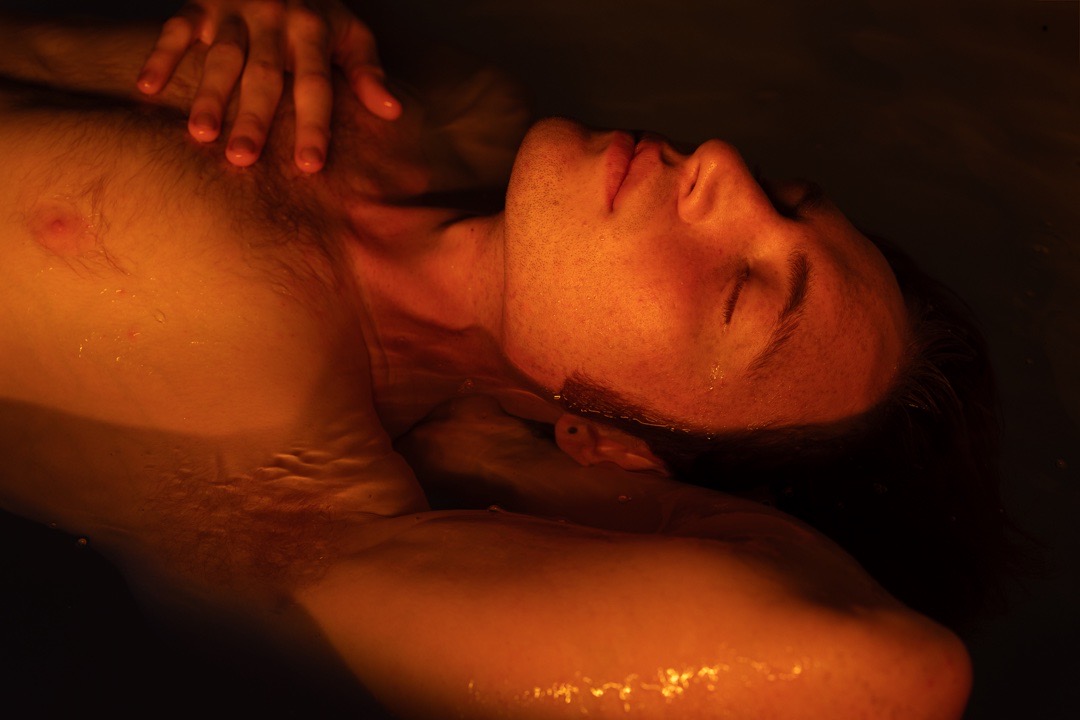
When life is crowded, rest often becomes whatever is left after work, family, training and messages. A booked session creates a boundary: for a defined period, there is nothing to answer and nowhere else to be.
Burnout is more than needing a relaxing afternoon
Persistent exhaustion, detachment, low mood or difficulty functioning can require professional support and changes to workload or circumstances. Floating and sauna are wellbeing experiences, not treatments for burnout or mental illness.
Choose the lowest-friction form of rest
If you want minimal sensory input, choose floating. If warmth and a more familiar seated experience feel easier, choose sauna. The right option is the one you can approach without turning it into another task to optimise.
Protect the transition
Leave enough travel time, silence unnecessary notifications and avoid putting a demanding call directly after the session. A few protected minutes can stop the experience being swallowed immediately by the rest of the day.
Build a rhythm before crisis point
A regular monthly or fortnightly appointment can be easier than waiting until you feel completely depleted. Notice whether the routine helps you create better boundaries, rather than expecting one session to resolve the causes of overload.
Use the wider support available to you
Rest works alongside sleep, food, movement, relationships, reasonable workload and healthcare when needed. If stress is persistent or feels unmanageable, speak with your GP or another qualified professional.